I’ve read too much about sleep lately. And I’m working on it—which seems oxymoronic. Shouldn’t I just be mostly unaware for seven or eight hours? Like so many modern fixations, we assume that if we study something long enough, we can get a handle on it—even when it’s designed to elude conscious control.
Like many fads, sleep optimization promises mastery. And like many fads, it runs into something far older and far less impressed with our intentions. The unchanging evidence of biological rhythm has been all around us, always.
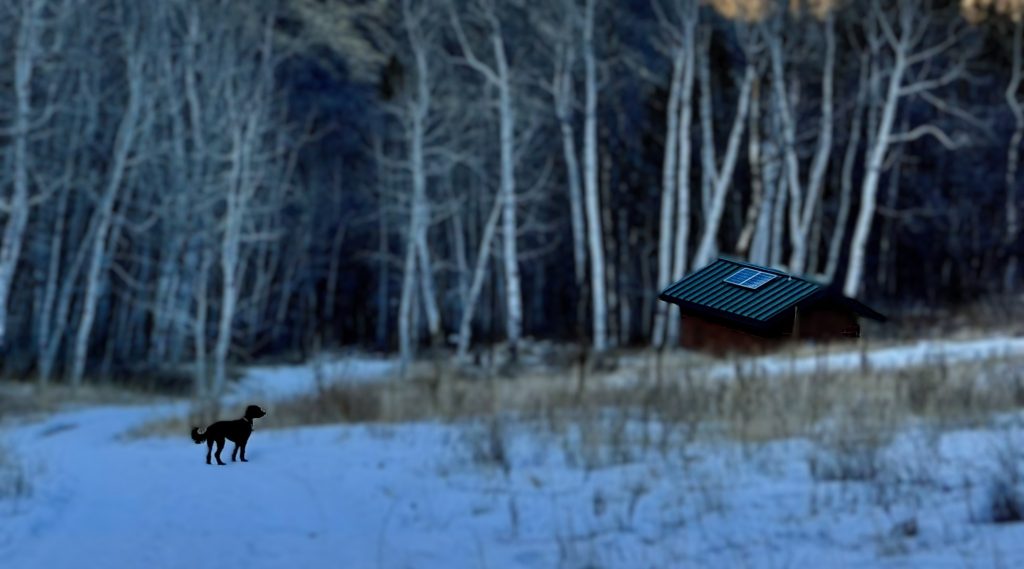
Like many of my days, I found my way onto a trail near dusk—my squirrel-chasing dog Scout in tow. Somewhere between the trees and the fading light, it struck me that much of what I was seeing was already asleep. Dormant. Call it what you will. Nearly everything alive sleeps. Year-round. And perhaps even more so in winter.
Then the next morning I read these words from 1650:
“Sleep is the great leveler of the world; it makes all men alike.” — William Gurnall
It’s a bracing sentence. And a strangely comforting one. Except, of course, when it’s resisted—by those proud of exhaustion, of super-early starts, of the quiet bravado of “getting by” on far less than the seven to nine hours that top athletes, executives, and now neighbors everywhere seem to be working on.
Eventually, we all sleep. Titles fade. Productivity pauses. The emerging whys support what nature already knows: memory consolidation, emotional regulation, immune repair, metabolic and hormonal balance. Sleep loss doesn’t make us heroic—it creates inequality within the body. Systems designed to work together drift out of sync. We become less ourselves, not more.
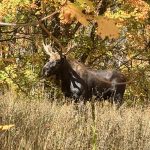
The three squirrels we rousted made me wonder about balance for them. And for the black bears hibernating, hopefully not too nearby. Moose. Deer. Grouse. Aspen trees. Evergreens. No hacks. No tracking. No optimization. Just sleep by design—a surrender, perhaps, to ancient rhythms that mankind seems uniquely determined to treat as optional.
Nature, taken as a whole, seems pretty well rested.
For us, sleep exposes what ambition hides. It collapses hierarchy. And more than the old saying about putting our pants on one leg at a time, sleep removes our illusion of exemption. The natural world simply does not “push through” indefinitely. Growth without rest isn’t admired there—it’s corrected.
The three squirrels told me so. Nothing else was moving.
Enter winter as a great teacher. Reduced light and deep cold signal conservation. Energy pulls inward. Growth pauses so repair can catch up. We hunker down. Stay indoors. Perhaps rest more. Perhaps even pause—until we don’t. Until we light our offices and homes to extend productivity. Until we insist on continuity in a season designed for interruption. It’s tempting to ignore the wisdom of winter.
And then, predictably, a flu or a cold intervenes. We park ourselves just long enough to feel better, only to resume the pace that made rest necessary in the first place.
In nature, wisdom is stable. Generations know what their ancestors knew.
In town, some celebrate exhaustion—and in doing so quietly erode our collective wisdom. We confuse endurance with virtue and busyness with meaning. Sleep becomes negotiable. Winter becomes an inconvenience.
Perhaps the deepest wisdom of all sounds something like this:
-
In sleep, I surrender. It’s a hard, fast requirement.
-
In doing so, my unspoken nightly confession becomes: I am not self-sustaining. Nothing wrong with that.
-
Like winter, sleep mirrors unseen work—repair without applause.
After five miles of chasing squirrels and following scent trails only she could see, Scout slept the entire way home. Equalized by the moment. Satisfied by the effort. Safe enough to surrender.
“Dog tired” came to mind.
And I was there myself within minutes of crashing that night—perfectly content to be equal with every other sleeping soul on the planet.